

Cybersecurity
Protecting the connected and operational systems that infrastructure, utilities and enterprises depend on to keep running.
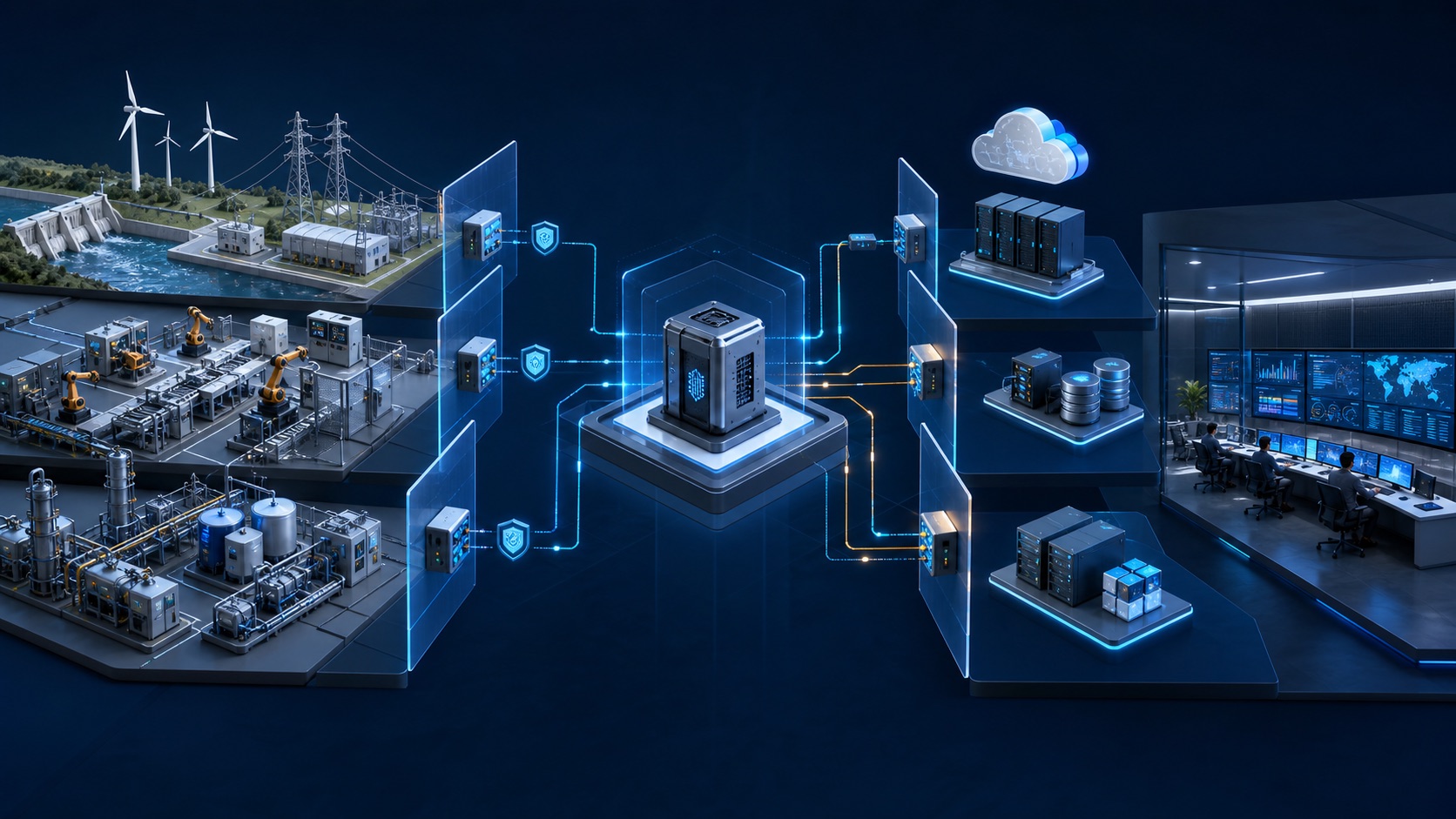
In brief
Security engineering for connected environments, addressing the operational systems that conventional IT security often leaves uncovered.
The business challenge
As operational systems become connected, they inherit exposure they were never designed for. Equipment intended to run isolated for years is now reachable from a network, and the assumptions built into it no longer hold.
Security controls designed for office IT do not transfer cleanly to operational technology, where availability cannot be interrupted for patching and where devices may not support standard agents.
Solution overview
ZouhThings approaches security as part of system design rather than a layer applied afterwards. When we build connected systems, protection of the network path, the platform and access to them is part of the engineering.
For existing environments, we assess how operational systems are exposed and design controls that fit the constraints of equipment that has to stay running.
Capabilities
Network protection
Segmentation and network controls that limit what can reach operational systems and contain the effect if something does.
Access control
Managing who and what can reach which systems, with authentication and authorisation appropriate to the environment.
Securing connected deployments
Building protection into IoT and mobility deployments — device credentials, encrypted transport and platform access control — as part of the original design.
Operational technology considerations
Designing controls around equipment that cannot be freely patched or taken offline.
Business benefits
Reduced exposure of operational systems
Segmentation and access control narrow the paths by which operational equipment can be reached.
Security designed in, not retrofitted
Protection specified alongside the system costs less and fits better than controls added after deployment.
Clearer accountability for access
Defined access control makes it possible to say who can reach which system, and to change it when roles change.
Containment when something goes wrong
A segmented environment limits how far a problem can spread from its entry point.
How we deliver it
Assessment
We review the current environment, how operational systems are connected, and where exposure exists.
Design
Controls are specified around real operating constraints, including systems that cannot be interrupted.
Implementation
Network controls, access management and platform protections are configured and tested.
Review and support
Ongoing review as the environment changes, with support for adjustments and additions.
Technology architecture
Security is applied at each layer of a connected system rather than concentrated at the perimeter, so that no single control is the only thing standing between an attacker and an operational system.
Device and endpoint
Device credentials, secure configuration and controlled provisioning of field equipment.
Network
Segmentation, traffic control and encrypted transport between devices, platforms and users.
Platform and application
Authentication, authorisation and configuration of platform access.
Operations
Monitoring, review and the process for handling changes and incidents.
Relevant industries
- Government
- Telecommunications
- Utilities
- Energy
- Healthcare
Related platforms
—
Partner attribution
—
Related projects
- Operational technology securityImage to be supplied
- Network segmentationImage to be supplied
Project references for this solution are being prepared and will appear here once approved.
Discuss this solution with our team
Tell us about your environment and constraints, and we will arrange a conversation with the right engineers.